Black streaks on roof shingles usually come from roof algae that feeds on moisture and minerals. Shade, wet weather, tree cover, and roof direction can make these marks spread. Gentle soft washing can remove the stains while helping protect shingles from damage caused by high pressure.
Table of Contents

- What Causes Black Streaks on Roof Shingles?
- Are Black Streaks on a Roof Just a Cosmetic Problem?
- How Can You Tell Whether Roof Streaks Are Algae, Moss, or Dirt?
- How Does Professional Treatment Remove Black Streaks?
- Can You Remove Black Streaks From Roof Shingles Yourself?
- How Can You Prevent Black Streaks From Returning?
- When Should You Call a Roof Cleaning Professional?
- Key Takeaways
- Frequently Asked Questions
- Conclusion
What Causes Black Streaks on Roof Shingles?
Black streaks are most often caused by roof algae. This growth lives on asphalt shingles and leaves dark marks as it spreads. The marks may look like long lines that follow the path of rainwater. They often start on one roof section and move across nearby shingles.
A common type is blue-green algae. The name can be confusing because it may look black, gray, brown, or green. Tiny bits can travel by wind, rain, birds, and nearby trees. Once algae finds moisture and food, it may stay active on the roof.
How algae create dark stains on asphalt shingles
Asphalt shingles contain small mineral granules. These granules help shield the shingles from sunlight and weather. Algae can grow between the granules and hold moisture against the roof. That growth causes the dark color seen from the ground.
Roof algae does not always mean the shingles are failing. Still, the stain shows that the roof has conditions that support growth. A roof cleaning service can check whether the problem is only staining. It can also look for moss, lost granules, or broken shingles.
Why moisture, shade, and roof orientation make streaks worse
Moisture is a main reason stains stay active. A roof that stays wet after rain gives algae more time to grow. North-facing sections may dry more slowly, especially when trees block the sun.
Overhanging branches add shade, leaves, and bits of bark. Poor roof airflow may also let heat and moisture collect below the shingles. These issues do not create algae alone, but they can help stains return.
Cape Coral Power Washing can help property owners understand whether shade, drainage, or roof growth is behind the problem. Knowing the cause makes it easier to choose the right treatment and care plan. Cape Coral homes may have different roof conditions from one street to the next.
Are Black Streaks on a Roof Just a Cosmetic Problem?
Black streaks often start as an appearance problem, but they should not be ignored. Algae can hold moisture on the roof and may spread across a wide area. Stains can also hide early signs of moss, lichen, loose granules, or damaged shingles.
A roof with dark marks may still work well. The right response depends on its age, condition, slope, and type of growth. Cleaning should not replace an inspection when shingles are cracked, curled, soft, or missing.
When algae stains affect the roof’s appearance
Streaks stand out on light-colored shingles. They can make a home look old or poorly cared for, even when the rest of the exterior is clean. This may matter before a sale, after other exterior work, or when an owner wants a more even look.
Stains can spread at different speeds across one roof. One side may look clean while another side has heavy marks. This often comes from shade, wind, drainage, and tree cover rather than different shingle products.
Clean roofing can also make other exterior work look more complete. Homeowners may pair Roof Cleaning Services with Gutter Cleaning Services when leaves and roof growth appear together. Each service handles a different part of the home’s outside system.
How buildup can contribute to moisture retention and shingle wear
Algae is not the same as a roof leak. Heavy growth can still keep the surface wet for longer. Moss is more likely than algae to lift or grow under shingle edges. This movement may let water reach areas that should stay covered.
Strong cleaning can cause more harm than the stain. High pressure may remove protective granules, push water under shingles, or harm flashing. For this reason, roof care should use controlled treatment instead of force alone.
How Can You Tell Whether Roof Streaks Are Algae, Moss, or Dirt?
Algae usually looks like flat, dark streaks or broad stains. Moss looks thicker and raised from the surface. Lichen may look like pale, rough patches that stick firmly to shingles. Dirt and loose debris usually sit on top and may move after rain.
These signs can help you make an early guess. They cannot replace a close review from a safe place. A roof may have more than one problem, such as algae on one slope and moss near a shaded gutter.
Visual differences between algae stains, moss, lichen, and debris
Algae often follows the flow of rain down the roof. Its edges may look soft or uneven. Moss forms small green or yellow-green clumps. It often grows along shingle edges, valleys, and wet areas.
Lichen has a rough, attached look. It may be gray, green, white, or orange. Scraping it can pull away shingle granules. Leaves, pine needles, and dirt often collect in valleys, behind roof features, and below trees.
Do not pull at roof growth. Even a small tug can loosen an old shingle. Looking from the ground with binoculars is safer than climbing up to study a stain.
When a roof inspection is needed to identify the cause safely
An inspection is a good idea when stains cover many roof sections or return soon after cleaning. It also helps when the roof has loose shingles, steep slopes, visible damage, or nearby power lines. A trained person can review the surface without treating every dark mark as the same issue.
Cape Coral Power Washing helps homeowners and property owners in the main Cape Coral area, including Pelican, Burnt Store, Fort Myers, North Fort Myers, Pine Island, and Matlacha. A careful review can separate surface stains from roof damage. It may also find clogged gutters, blocked drainage, or branches that keep shingles wet.
How Does Professional Treatment Remove Black Streaks?
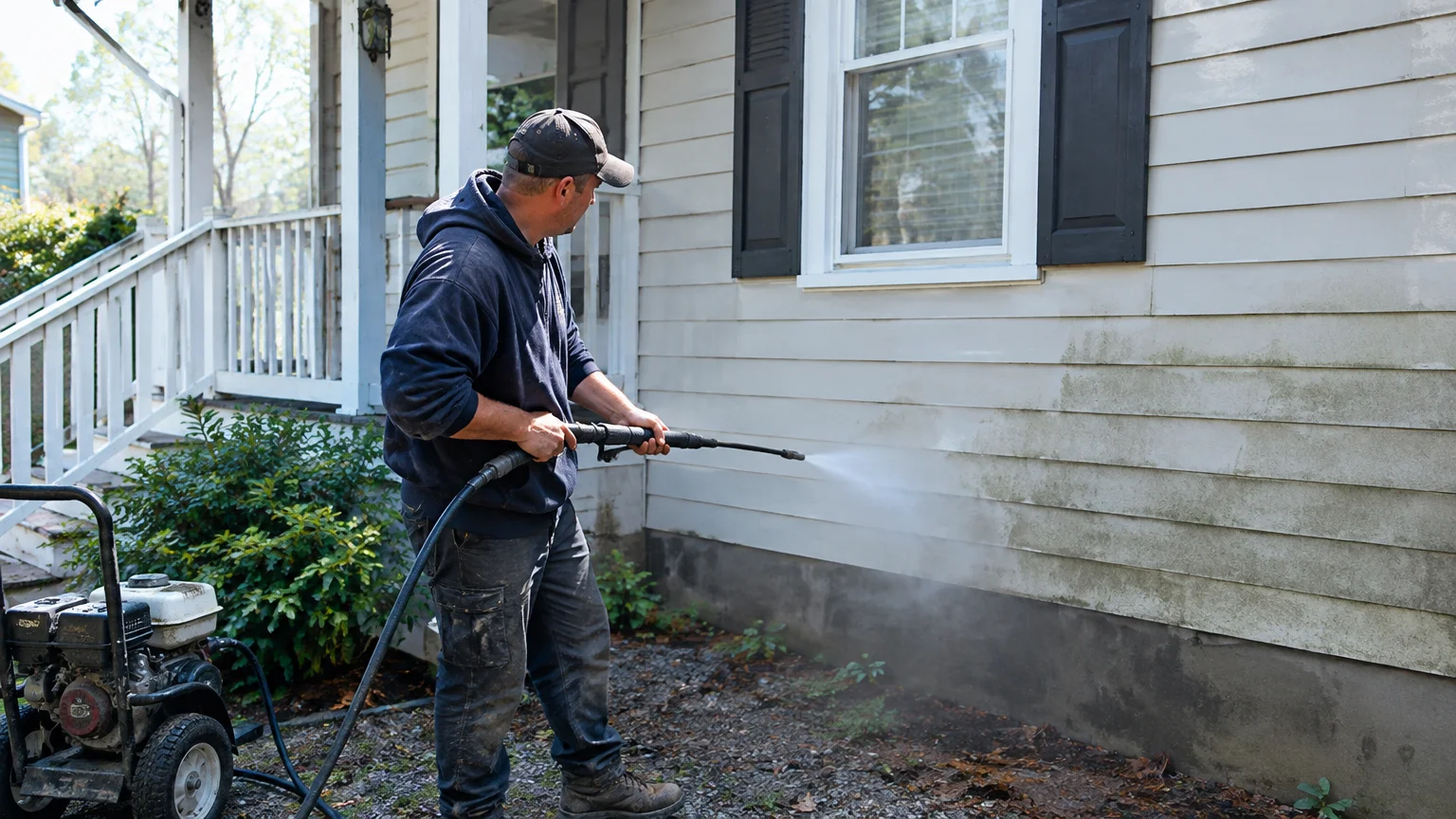
Professional treatment often uses soft washing because shingles need a gentle method. Soft washing means applying a cleaning solution with low pressure. The solution does most of the cleaning work. This differs from blasting the roof with a strong water stream.
The process depends on the roof material, stain type, weather, and nearby plants. A careful provider protects walls, windows, landscaping, outdoor items, and other surfaces before work starts.
Why soft washing is used for roof shingles
Asphalt shingles are made to shed rain. They are not made for repeated high-pressure spray. A pressure washer used too close may loosen granules or damage shingle edges. It can also force water below the shingle layers.
Soft washing helps break down algae, mildew, and other organic growth with less force. The treated material can then rinse away with controlled water flow and normal weather. The goal is a cleaner roof without making the shingles weaker.
Not every roof should receive the same solution. The provider should consider nearby plants, roof age, shingle condition, and runoff. Soft Washing Services can help with delicate exterior surfaces when low pressure and careful control are needed.
What the treatment process typically involves from inspection to rinse
A roof cleaning visit often begins with a visual review. The technician looks for stains, moss, lichen, missing shingles, damaged flashing, and unsafe access points. The work area is then prepared so water and cleaning products stay controlled.
The solution is applied in a measured way. It needs time to work, so heavy rinsing may not be needed right away. The technician may use a gentle rinse where suitable and give extra care to areas with thicker growth.
Good treatment does not promise that every roof will look new. Old stains may leave some color, and washing cannot repair damaged shingles. If the work finds roof damage, a roofing contractor may be needed next.
Can You Remove Black Streaks From Roof Shingles Yourself?
Homeowners can handle some safe, ground-level upkeep. This includes trimming branches, removing loose leaves from reachable areas, and watching for changes after rain. Roof cleaning is different. Walking on shingles creates fall risks, and wet surfaces are even more dangerous.
You do not need a professional for every basic check. Binoculars and a camera can help you watch the roof from the ground. Treatment on a steep, wet, or high roof should be left to trained workers.
Roof-cleaning methods that may damage shingles
A pressure washer can strip granules from asphalt shingles. A stiff brush or scraper can tear the surface and spread damage. Household cleaners may stain siding, harm plants, or react with nearby metal.
The best method also depends on the growth type. Algae, moss, lichen, and dirt do not respond in the same way. A method that removes loose debris may not remove attached growth. It may also create extra roof wear.
Pressure washing a roof may seem faster, but speed is not the main goal. Roof care should protect shingles, flashing, gutters, and nearby property. The same care matters for rental homes, offices, and multi-unit buildings.
Safety concerns homeowners should consider before climbing the roof
Falls are the main danger, but they are not the only one. A person can slip on wet algae, step through a weak spot, or damage a hidden roof feature. Ladders can also shift on uneven ground.
Never work near overhead power lines. Do not walk on a roof during rain, strong wind, or icy weather. Basic upkeep from the ground is safer. Direct cleaning needs the right equipment and safety plan.
How Can You Prevent Black Streaks From Returning?
Prevention starts by reducing the shade and moisture that help algae grow. It also means keeping roof drainage clear and checking for changes after storms. No plan stops every stain, but simple care can slow new growth.
Look at the roof from the ground after heavy weather. Check for missing shingles, sagging areas, blocked gutters, and branches touching the roof. Small issues are easier to address before they affect larger sections.
Roof maintenance steps that limit algae growth
Useful upkeep includes:
- Trim branches that rub shingles or block needed sunlight.
- Remove loose leaves and twigs from safe, reachable areas.
- Keep gutters and downspouts clear so water can drain away.
- Check attic airflow when moisture or condensation keeps returning.
- Watch shaded roof sections for fresh streaks, moss, or lichen.
- Ask a roofer about algae-resistant shingle choices during replacement.
Metal strips are sometimes placed near roof ridges to limit algae. Rain moves over the metal and across the shingles. These strips must be installed correctly. A roofer can explain whether this choice fits your roof.
How gutters, tree cover, and ventilation affect roof staining
Gutters move rainwater away from the roof and walls. When they clog, water can back up near the roof edge or spill down siding. Gutter Cleaning Services can help when leaves and roof growth are part of one drainage issue.
Trees can keep shingles damp and add organic material. Pruning may help, but trees near power lines need special care. Roof ventilation also matters because trapped heat and moisture can affect the roof from below.
Cape Coral weather, sun, tree cover, and roof pitch all affect stain return. A local review helps match care to the property. One roof may need different attention than another nearby roof.
When Should You Call a Roof Cleaning Professional?
Contact a roof cleaning professional when stains keep spreading, moss lifts shingles, or the roof is unsafe to reach. Help also makes sense for steep slopes, several roof levels, fragile materials, or nearby obstacles.
Act quickly when water enters the attic, shingles are missing, or the roof deck feels soft. Cleaning cannot fix structural damage. In those cases, you may need both roof cleaning advice and repair advice from a roofing contractor.
Signs that roof stains need prompt attention
Look for these warning signs:
- Moss or lichen lifts the edges of shingles.
- Dark streaks spread across several roof slopes.
- Water stains appear on ceilings or attic framing.
- Shingles are cracked, curled, loose, or missing.
- Gutters overflow during normal rain.
- Tree branches touch or scrape the roof.
- The roof is too steep or high for safe access.
These signs do not always mean the roof needs replacement. They do show that the roof needs a closer look. Early care can separate a simple surface treatment from a larger repair issue.
What to ask before choosing a roof-cleaning service
Ask which cleaning method the company uses and why it fits the roof. The company should explain how it protects plants, siding, windows, gutters, and nearby surfaces. It should also point out damage instead of promising that cleaning will fix everything.
Ask whether the team works with asphalt shingles and soft washing. You can also ask what happens if the inspection finds damaged shingles or unsafe access. Clear answers help you compare services without focusing only on speed.
Cape Coral Power Washing can help Cape Coral homeowners and property managers review the next step for stained shingles. Contact us to discuss your roof cleaning needs.
Key Takeaways
- Algae usually causes dark roof streaks, especially where shingles stay damp.
- Moss, lichen, and dirt look different and may need different care.
- Soft washing is gentler than high-pressure cleaning for asphalt shingles.
- Homeowners can make safe ground-level checks, but roof access can be dangerous.
- Clear gutters, trimmed branches, and good airflow may slow stain return.
Frequently Asked Questions
How often should a roof be cleaned?
There is no set schedule for every roof. Shade, trees, rain, roof age, and growth all affect timing. Check the roof from the ground after major storms. Cleaning may be needed when growth becomes visible, spreads, or holds moisture.
Can rain remove black streaks from shingles?
Rain may wash away loose dirt, leaves, and some debris. It usually does not remove algae that has grown into the shingle surface. Heavy rain may spread organic material across the roof. If stains remain, a roof cleaning professional can identify the cause.
Is it safe to pressure wash a roof?
High-pressure cleaning can damage asphalt shingles. It may remove protective granules or force water below the surface. It can also harm flashing, gutters, and siding. Soft washing uses low pressure and a suitable cleaning solution instead.
Can black roof stains cause a leak?
Algae stains alone do not always cause leaks. They can show that damp conditions support other growth. Moss may lift shingle edges, while damaged shingles and flashing can let water inside. Leaks, ceiling marks, or attic moisture need a prompt inspection.
How can a homeowner clean a roof without climbing it?
A homeowner can remove loose leaves from safe ground-level areas. Branch trimming may also help when it can be done safely. Binoculars can show changes without climbing. Direct treatment is riskier on steep or wet roofs, so professional help is safer there.
Conclusion
Black streaks on roof shingles usually come from algae, but moss, lichen, dirt, and roof damage can look similar. Gentle treatment, safe inspections, and better control of shade and moisture can help protect the roof. Cape Coral Power Washing supports property owners with roof cleaning guidance suited to each property.
If you are unsure what caused the marks, have the roof reviewed before the problem grows. Contact us through Cape Coral Power Washing to discuss the next step.